Metacarpals, Metatarsals and the Illusion of Weightlessness
This insight did not come from martial arts.
It came from my early days studying remedial massage and Rolfing.
At the time I was obsessed with structure. Not in a mystical sense. In a mechanical one. How bones relate to soft tissue. How alignment changes tone. How space changes sensation.
And one thing became very clear.
The bones of the hands and feet act as spacers.
Bones as Spacers, Not Levers
We are taught to think of bones as rigid levers. That is only half the story.
Bones also create distance. They separate soft tissues. They define the pathways that muscles, tendons and ligaments follow.
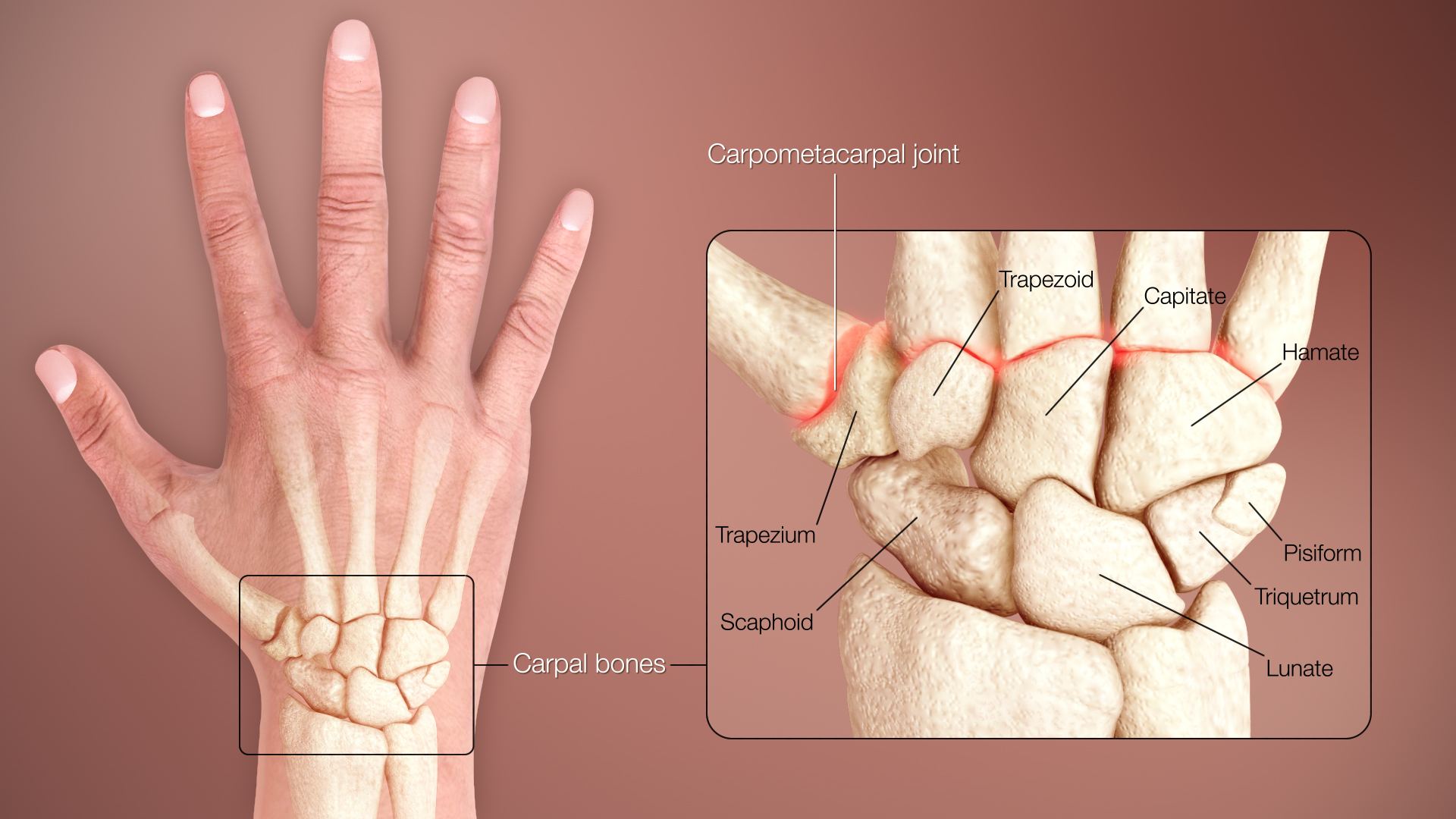
When the metacarpals in the hand are aligned properly, something subtle but powerful happens. The tendons along the palm and the back of the hand lengthen naturally. Not through stretching. Through spacing.
The same applies to the metatarsals in the feet.
When they are collapsed, the soft tissue shortens and compresses. When they are spaced correctly, the tendons elongate. Tone becomes balanced instead of congested.
The better the spacing, the lighter the extremity feels.
The Kite Analogy
The best way I can describe the sensation is this:
Your hands and feet begin to feel like kites.
Not floppy. Not weak.
Weightless, but tethered.
As if they are being controlled from the center of mass through invisible strings.
When the metacarpals and metatarsals align, the elongation in the tendons creates a continuous line of tension back to the body. The hand no longer feels like something hanging off the wrist. The foot no longer feels like something stuck at the end of the leg.
They feel suspended.
You do not lift them. They float.
Biotensegrity and Structural Tone
This ties directly into a biotensegrity model of the body.
In a tensegrity system, bones are not meant to crash into each other. They are suspended within a continuous network of tension. That tension is not tightness. It is tone.
Without that tone, the system collapses and segments.
Every bone in the body acts as a spacer that maintains optimal distance between structures. Even though anatomically bones sit inside joint capsules and do not literally float apart, functionally you must think of them as suspended elements.
There is cartilage. There is synovial fluid. There are ligaments. There are capsules.
There is space.
The more balanced that space, the more fluid the joint becomes. Literally. Synovial lubrication improves with decompression. Motion becomes easier. Resistance drops.
But the interesting part is not the anatomy.
It is the proprioception.
The Subjective Shift
When there is extra space between the bones in your hands and feet, your nervous system registers it immediately.
The extremities feel lighter.
Movement feels cleaner.
Intent travels further.
It becomes obvious that heaviness in the limbs is often not muscular weakness, but structural compression.
When the metacarpals collapse, the hand feels dense and disconnected.
When they space properly, the hand feels buoyant.
The same with the feet. Proper metatarsal alignment elongates the plantar fascia and the long tendons of the lower leg. Suddenly the foot feels like it is contacting the ground without being glued to it.
Grounded, yet light.
Control from the Center
Here is where it becomes powerful in practice.
When the hands and feet feel like kites, control shifts to the center of mass.
You no longer move the hand from the hand.
You move it from the body.
The elongation through the tendons creates a line of tension that connects extremity to core. Because the bones are spaced correctly, that line is uninterrupted.
The extremities respond instantly to subtle changes in center.
This is not strength.
It is organisation.
The Real Takeaway
Alignment of the metacarpals and metatarsals does more than improve posture.
It creates space.
Space creates elongation.
Elongation creates tone.
Tone creates weightlessness.
And when the hands and feet feel weightless, they stop acting like isolated parts and start behaving like extensions of your center of mass.
Like kites on a string.
Controlled from the ground.